







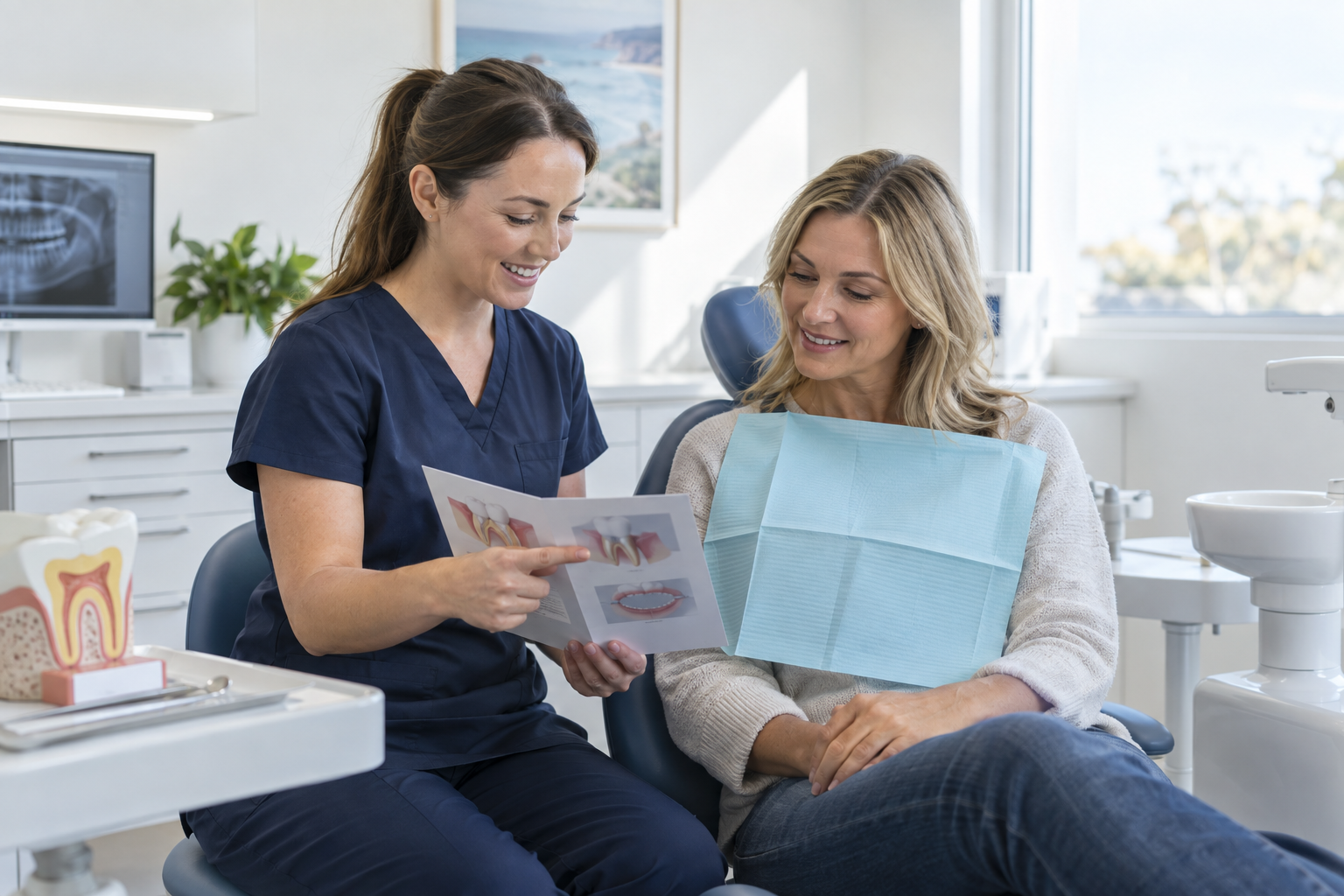
A dental appointment can involve unfamiliar terminology, detailed treatment options and decisions that patients may need time to consider. Clear patient education materials give people an opportunity to review important information before or after speaking with a practitioner. Someone managing gum health concerns may benefit from an ada periodontal disease brochure, while patients preparing for specialist procedures can use anzoams patient information to better understand their care.
Supporting Conversations in the Clinic
Dentists, oral health therapists and dental specialists often need to explain complex topics within a limited appointment. Even when a practitioner communicates clearly, patients may find it difficult to remember every detail once they leave the clinic.
Printed resources can support the conversation by presenting key points in a structured and accessible format. Patients can read the material at their own pace, discuss it with family members and prepare questions for their next appointment. This can be especially valuable when treatment involves several stages or requires ongoing care at home.
These resources should complement professional advice rather than replace it. Their purpose is to reinforce what has already been discussed and help patients feel better prepared to participate in decisions about their health.
Making Complex Conditions Easier to Understand
Dental conditions can develop gradually and may not always cause obvious discomfort in their early stages. Gum disease, for example, may initially appear as bleeding during brushing, persistent bad breath or mild gum tenderness. Without a clear explanation, some people may dismiss these signs as minor problems.
Well-designed educational material can describe how a condition develops, outline common warning signs and explain why early assessment matters. Visual elements may also help patients understand areas of the mouth that are difficult to see or describe during a consultation.
Information becomes particularly useful when it connects a diagnosis with practical action. Rather than simply defining a condition, an effective resource may explain brushing methods, interdental cleaning, follow-up schedules and behaviours that could affect recovery. This gives patients a clearer idea of what they can do between appointments.
Helping Patients Prepare for Procedures
Oral and maxillofacial procedures can involve more detailed preparation than routine dental care. Patients may need guidance about fasting, medications, transport, recovery time, eating and oral hygiene after treatment.
Receiving this information early can reduce uncertainty and make practical planning easier. A patient who knows they may require assistance travelling home, for instance, can arrange support before the procedure. Someone who understands the likely dietary restrictions can prepare appropriate meals in advance.
Written instructions are also useful after treatment, when discomfort, medication or fatigue may make it harder to recall verbal advice. Having reliable material available at home allows patients and carers to check the recommended steps without relying entirely on memory.
However, general resources cannot address every individual circumstance. Patients should always follow the personalised instructions provided by their treating practitioner, particularly when medical conditions or prescribed medicines may affect treatment.
Encouraging Informed Questions
Good health communication does not simply provide answers. It also helps people recognise which questions they should ask.
After reviewing educational material, a patient may want to discuss the expected benefits of treatment, possible alternatives, recovery time, costs or the consequences of delaying care. These questions can lead to more productive consultations and help practitioners identify areas that require further explanation.
Information should be written in plain language wherever possible. Technical terms may sometimes be necessary, but they should be explained clearly and supported by familiar examples. The most useful resources maintain clinical accuracy without assuming that readers already understand dental terminology.
Extending Education Beyond the Appointment
Educational materials can remain helpful long after a patient leaves the clinic. They may serve as reminders to monitor symptoms, continue daily care or attend follow-up appointments. Families can also use them to support children, older relatives or people recovering from surgery.
Dental practices benefit when their communication remains consistent across the patient journey. Verbal explanations, printed materials and follow-up instructions should reinforce the same essential messages. When these elements work together, patients are less likely to receive conflicting or incomplete guidance.
Clear information cannot guarantee a particular treatment outcome, but it can help people understand their responsibilities and make more informed choices. By turning complex clinical advice into practical, readable guidance, dental professionals can support stronger communication, improved preparation and greater patient confidence.